OFFICE BASED SURGERY (OBS) PART 1
OFFICE BASED SURGERY (OBS) PART 1
By Architecture Work P.C. on Nov 2019, 6:07:32 PM
Q: What is “OBS”?
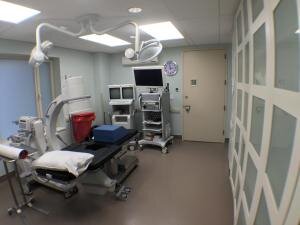
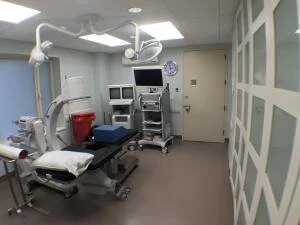
A: “OBS” is “Office Based Surgery” and is essentially a suite of rooms and a set of work procedures under which medical doctors & surgeons can do hundreds of authorized operations under variable levels of patient sedation thus avoiding the wait and expense of going to the local hospital. The most important distinction from hospital procedures is that the patient arrives by appointment, is generally healthy otherwise and does not stay for any great length of time and certainly not “overnight”. These are known as “ambulatory procedures”.
Q: Are office based surgery (OBS) practices the same as “ambulatory health care facilities”?
A: No. Here in New York State and NYC, “centers, clinics and/or “facilities” are defined words in the Code and have specific meaning legally. Those two words cannot even be used in the naming of an OBS practice. The ambulatory facilities are larger (about 4,000 sf or more minimum) & utilize many different types of surgeons and surgery procedures operating under a common corporate entity licensed by the State, after applying for and obtaining a “Certificate Of Need” (CON). The Building Codes for these facilities generally replicate those of a hospital environment, even though patients served are also generally healthy, come & go in a single day and do not stay overnight. These facilities are also known as “hospitals without beds”.
Q: What are the advantages of office based surgery (OBS) verses ambulatory healthcare clinics?
A: Size, cost and convenience to both patients and doctors is the primary advantage to OBS. Most clinics still capture much of their surgical staff from nearby medical doctors that also maintain their own private offices & use the clinics by appointment as must their patients. The construction and operating cost of a clinic verses OBS is about a factor of ten times! An OBS procedure room adds about $100,000 to the cost of a regular doctor office build-out verses at least $1,000,000 for a single operating room in a clinic or hospital. This huge cost differential is due to architectural layout considerations of things like circulation clearances & access to spaces (need a bigger floor plate) as well as the mechanical handling of air circulation, air filtration, anesthesia gas evacuation and emergency power. OBS follows some similar design constraints, but at a much more simple level and more practical response to the needs of what the individual surgical specialist wishes to perform. The convenience factor to both patient and doctor cannot be under-stated with OBS. The doctor controls the scheduling of his procedures and the organization of his or her patient flow. Think of a doctor enroute in traffic to the clinic & then waiting for the previous surgeon to clear the operating room, check-in his next patient with a nurse that may not be on his or her employ…then wait with everyone else for the system to grind along – if there’s an emergency, all bets are off & the day’s lost.
Q: What are the main differences in the design of office based surgery (OBS) verses a hospital or clinic?
A: The main difference between hospitals and OBS is the physical state of the patients entering the premises. Hospitals and now some clinics must maintain and provide for emergency care across the entire panoply of patient needs that may walk in or arrive by ambulance at any time of day or night. Also, the hospital patient may have an infectious disease, accident, gunshot wound or any other severe trauma event. They must be prepared for the entire universe of patient needs and thus are heavily regulated & codified as such. OBS practices are specifically designed and certified only for the procedures identified in their applications, thus eliminating the extreme needs of a general patient population.